

The Vineyards.
| Keyes | Veeder Peak | Andrew Geoffrey | Spring Mountain | Van Z | |
|---|---|---|---|---|---|
| Appellation | Howell Mountain | Mount Veeder | Diamond Mountain | Spring Mountain | St. Helena |
| Elevation | 1,700 feet | 1,400 - 1,600 feet | 1,850 feet | 1,800 feet | 150 feet |
| Soils | White & red volcanic rocky loam |
Gravelly loam, black soils |
Volcanic loam |
Volcanic loam |
Gravelly loam |
| % Contributions | 40% | 37% | 9% | 9% | 5% |
| Varietals | Merlot and Cabernet Sauvignon |
Cabernet Sauvignon |
|
Contributions to the blend |
Gravelly, dark fruit, herb, texture |
Structure, floral, minerals, blue fruit, length |
High tone of red/dark fruit, opulent, bright fruit |
Floral character, more pinpointed tannins, red fruit |
Mid-palate, spice, red fruit |
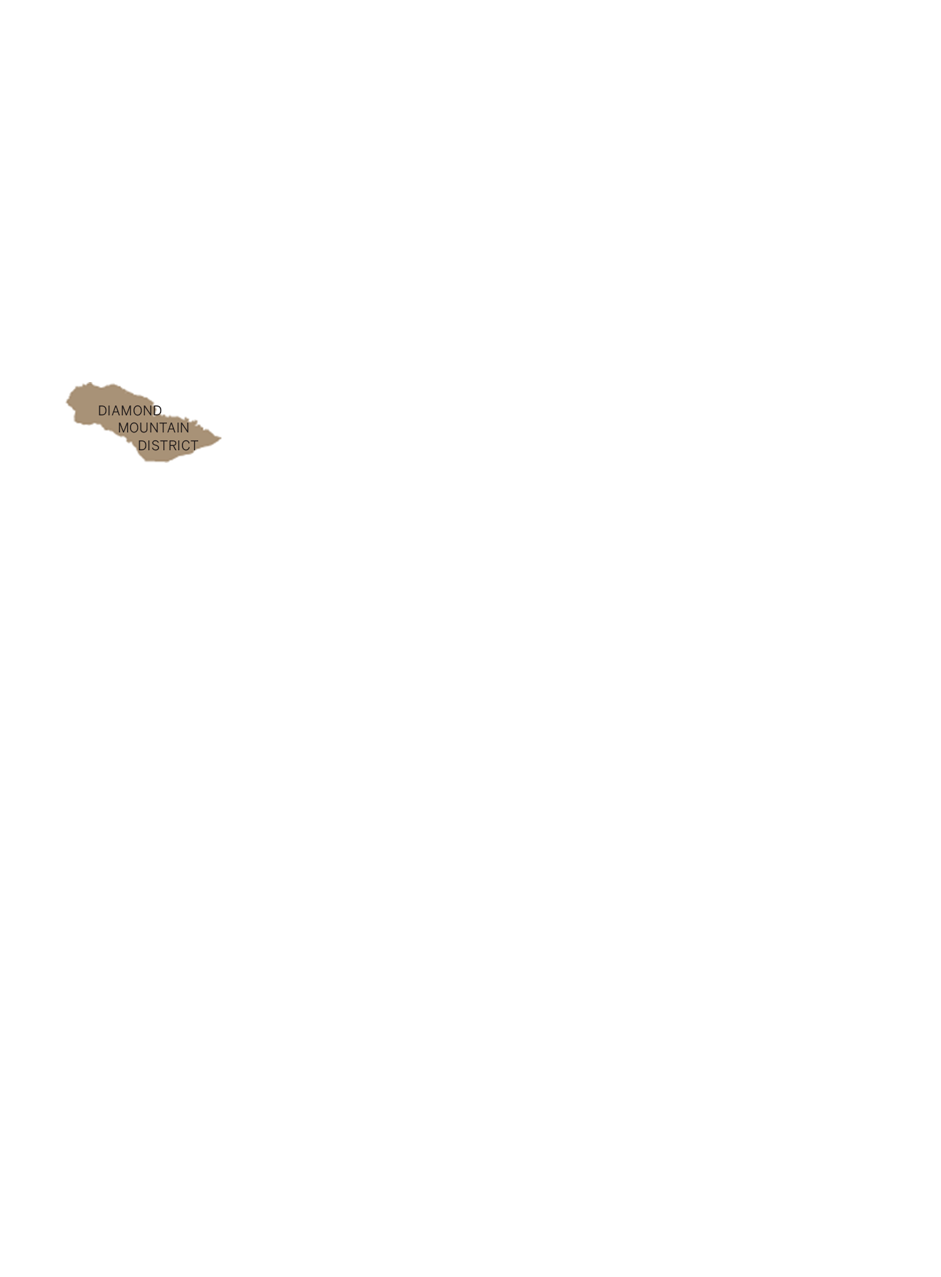
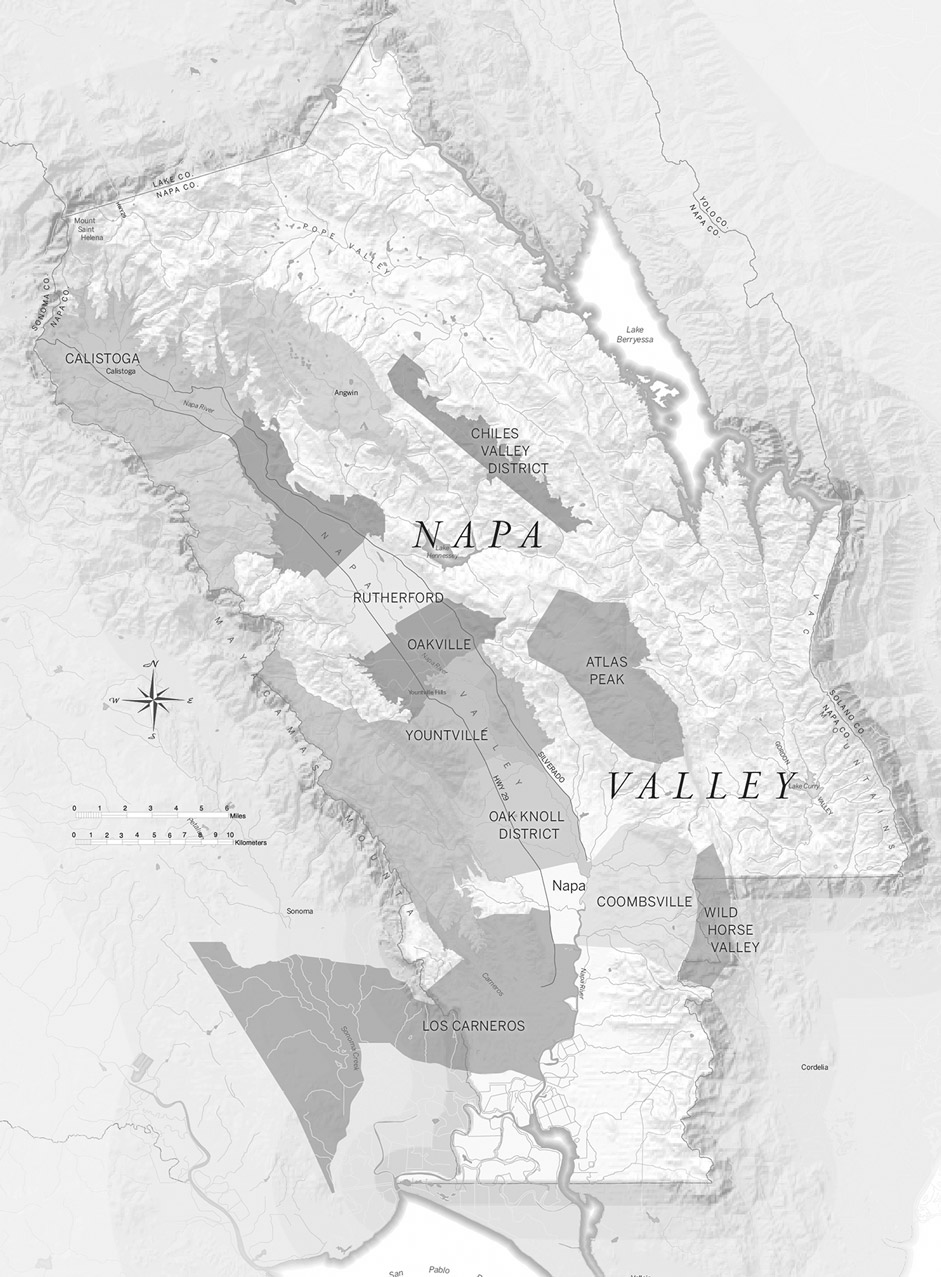
Cardinale is more than one wine—it is several wines from four distinct mountain vineyards and select benchland vineyards along the Mayacamas and Vaca ranges that surround Napa Valley. The core of the Cardinale blend is from estate vineyards located in two prime appellations—Mount Veeder and Howell Mountain. The supporting components come from specific mountain and benchland vineyards in Spring Mountain, Diamond Mountain, St. Helena, Oakville, and Stags Leap District. Their presence in the final blend changes with each vintage based on our winemaker's selection.
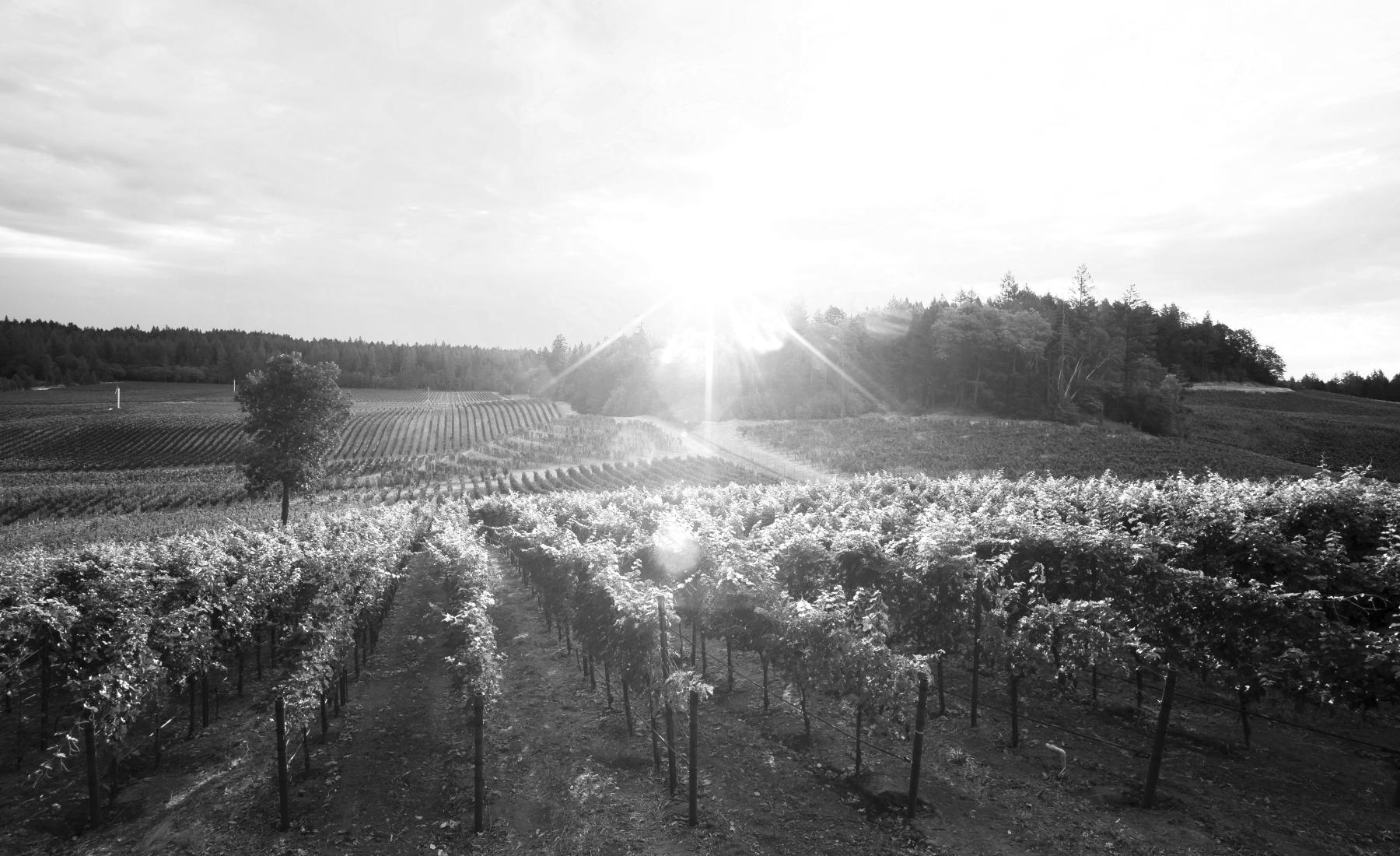
Mountain terroir is elemental to Cardinale. Vines must struggle to survive the steep, rocky slopes of mountain vineyards. The result is an intense concentration of flavor, extreme complexity, and uniquely defined tannins.
Every bottle of Cardinale reveals the artistic sensibility of the winemaker, with each vineyard lot fused into a seamless blend in which you can sense the constituent parts, but still taste them as one complete wine.